
The Ultimate Guide to Turquoise (Firoza) Gemstone: Benefits and Care Tips
- 3 days ago
- 13 min read
Updated: 2 hours ago
Everything you need to know about Turquoise (Firoza) — its origin, meaning, benefits, and significance as one of the most trusted and accessible gemstones associated with Jupiter energy — comes together in this guide.
Turquoise (Firoza) has fascinated people for centuries with its unique color and spiritual significance. This gemstone is not just a beautiful accessory but also carries deep meanings and benefits, especially in astrology and healing traditions. If you want to understand the story behind Turquoise, its connection to Jupiter, how to wear it properly, and what price to expect in India, this guide covers everything you need to know.
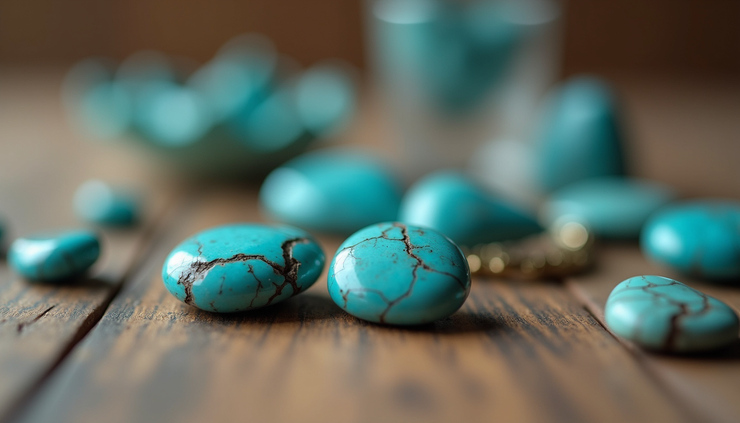
Meet the God Behind the Gemstone: The Story of Firoza Ratna
Turquoise, known as Firoza in Hindi and Urdu, holds a special place in astrology due to its strong connection with the planet Jupiter. In Vedic astrology, Jupiter—also known as Brihaspati—is regarded as the guru of the gods, a symbol of wisdom, knowledge, prosperity, and spiritual growth. He represents guidance, truth, and expansion in life, and gemstones associated with his energy are believed to carry these same qualities.
Firoza is often considered a gentle yet effective gemstone that reflects Jupiter’s positive influence. While it is not as intense as traditional Jupiter stones like Yellow Sapphire, it is widely used as a balanced alternative for those who seek wisdom, protection, and clarity without overwhelming energy. Wearing Turquoise is believed to align the wearer with Jupiter’s guidance, helping them make better decisions and move forward with confidence.
According to ancient beliefs, the calming blue-green color of Turquoise was seen as a reflection of the sky and water—both symbols of divine connection and purity. It was said that Jupiter’s blessings were captured within this stone, making it a natural source of protection and positive energy. This belief made Firoza highly valued across different cultures, from Indian traditions to Persian and Tibetan civilizations.
Historically, Turquoise was worn by kings, warriors, and spiritual leaders. Kings believed it brought success and victory, while priests used it for spiritual growth and protection from negative energies. It was often treated not just as a gemstone, but as a sacred talisman that could guard the wearer and guide them toward the right path.
The name Firoza itself comes from a word meaning “victory” or “success,” which perfectly reflects its reputation as a stone of good fortune. Even today, many people wear Turquoise with the belief that it attracts opportunities, removes obstacles, and brings a sense of stability in life.
So Why Is Turquoise Jupiter's Gemstone?
In Vedic astrology, every planet is linked to specific energies, qualities, and gemstones. The planet Jupiter, known as the Guru or teacher of the gods, represents wisdom, growth, guidance, and positivity. While Yellow Sapphire is the primary gemstone of Jupiter, Turquoise (Firoza) is often considered a supportive or alternative stone that carries similar gentle and balanced vibrations.
The connection between Turquoise and Jupiter is not about strict planetary ownership—it is about shared energy. Both are associated with clarity of thought, protection from negativity, and the ability to guide a person toward the right decisions in life.
The Energy Connection Between Turquoise and Jupiter
Jupiter is known for expanding knowledge, bringing good fortune, and stabilizing life paths. In a similar way, Turquoise works subtly to:
Calm the mind and reduce confusion
Strengthen intuition and decision-making
Protect against negative influences
Encourage emotional balance and inner peace
This is why many astrologers recommend Turquoise when someone needs Jupiter-like support but cannot wear stronger gemstones like Yellow Sapphire.
A Safer and Gentler Alternative
Not everyone can wear high-energy gemstones. Some stones, especially primary planetary gemstones, can feel intense or may not suit every individual.
Turquoise, on the other hand, is known for its mild and adaptable energy. It doesn’t overwhelm the wearer. Instead, it works slowly and steadily, making it a good option for:
Beginners in gemstone wearing
People with sensitive energy
Those unsure about stronger Jupiter stones
It provides the guidance of Jupiter without the intensity.
Spiritual Beliefs and Cultural Significance
Across different cultures—especially in Persian, Tibetan, and Indian traditions—Turquoise has been seen as a stone of protection and divine connection.
It is believed to:
Act as a shield against negative energies
Bring good fortune and stability
Strengthen the connection between mind and higher wisdom
These qualities closely align with what Jupiter represents in astrology—protection, wisdom, and higher understanding.
When Is Turquoise Recommended in Astrology?
Astrologers may suggest Turquoise when:
Jupiter is weak or mildly afflicted in the horoscope
The person needs emotional stability and clarity
There is confusion in decision-making or life direction
The wearer cannot afford or is not suitable for Yellow Sapphire
In such cases, Turquoise acts as a supportive guide rather than a powerful force.
What Exactly Is Turquoise (Firoza)?
Turquoise is a hydrated phosphate of copper and aluminum. Its chemical formula is CuAl6(PO4)4(OH)8·4H2O. The presence of copper gives it the characteristic blue and green shades. The stone often shows veins or matrix patterns, which add to its natural beauty.
It is an opaque gemstone, valued for its color rather than transparency. Turquoise has a hardness of 5 to 6 on the Mohs scale, making it relatively soft compared to diamonds or sapphires. This softness means it requires careful handling.
How Is Turquoise (Firoza) Formed? The Earth's Very Slow Recipe
Every Turquoise (Firoza) gemstone you see today carries a journey that began thousands to millions of years ago, slowly forming beneath the Earth’s surface. Unlike gemstones that are created deep within the Earth under extreme heat and pressure, Turquoise develops much closer to the surface through a calm and gradual natural process. This gentle formation is one of the reasons why its energy is often described as soothing and balanced rather than intense.
Over time, water enriched with essential minerals like copper and aluminum moves through cracks and porous rocks. As this mineral-rich water interacts with the surrounding elements, a slow chemical reaction begins. Layer by layer, over countless years, these reactions give birth to the distinctive blue-green Turquoise stone. The exact shade, texture, and patterns depend on the mineral composition and environmental conditions, which is why every Turquoise gemstone looks unique in its own way.
What makes Turquoise truly special is not just its appearance but the story it carries within. Each vein, each color variation, and each natural pattern reflects the environment in which it was formed. These subtle imperfections are not flaws—they are signs of authenticity, reminding us that the stone has been shaped by nature’s timing rather than human intervention.
A natural Turquoise stone, therefore, is much more than just a decorative gemstone. It represents a rare harmony between time, minerals, and environmental conditions working together in perfect balance. This is why it has been valued across cultures for centuries, not only for its beauty but also for its believed protective and healing properties.
Turquoise (Firoza) is more than a stone—it’s nature’s quiet protector, carrying centuries of healing, wisdom, and balance within it.
Think of It Like Nature’s Slow Artwork
Imagine rainwater passing through mineral-rich rocks for thousands of years. As the water moves, it carries tiny particles of copper and aluminum. Over time, these particles settle and combine, gradually forming Turquoise deposits.
This is why every Turquoise stone looks slightly different. Some have smooth blue surfaces, while others show natural veins or patterns (called matrix). These patterns are not flaws — they are proof of the stone’s natural formation.
Where Does the Blue-Green Color Come From?
The color of Turquoise (Firoza) mainly depends on the minerals present during its formation:
Copper gives the stone its classic sky blue color
Iron adds greenish tones
Other minerals create unique variations and patterns
This natural combination is what makes Turquoise so special. No two stones have exactly the same shade, which increases their uniqueness and value.
How Does Turquoise Get Its Natural Patterns?
One of the most noticeable features of Turquoise is its matrix — the web-like veins or patterns visible on the surface.
These patterns form when the gemstone develops within host rocks. As the stone grows, it absorbs traces of surrounding minerals, creating those beautiful natural lines.
In fact, many gemstone lovers prefer Turquoise with matrix because it reflects authenticity and natural origin.
Natural vs Treated Turquoise: What’s the Difference?
Not all Turquoise available in the market is completely natural.
Natural Turquoise: Untreated, rare, and highly valued
Stabilized Turquoise: Treated to improve durability and color
Dyed or Imitation: Artificially colored stones with little to no real value
Natural Turquoise is always preferred, especially for astrological and healing purposes, because it retains its original energy.
Why Natural Turquoise is Rare and Valuable
High-quality Turquoise (Firoza) is not easy to find. The perfect combination of color, texture, and purity takes years to develop naturally.
This is why:
Pure sky-blue Turquoise is more expensive
Stones with minimal treatment are highly demanded
Certified natural stones hold better long-term value
When you invest in a genuine Turquoise gemstone, you’re not just buying jewelry — you’re owning a piece of Earth’s natural history.
Where in the World Is Turquoise Found?
Turquoise deposits are found in several countries, but the most famous sources include:
Iran (Persia): Known for the finest quality turquoise with a bright blue color and minimal matrix.
United States: Arizona and Nevada produce turquoise with a greenish-blue hue and distinctive black veins.
China: Large quantities of turquoise come from here, often with varied colors and patterns.
Egypt: Ancient mines produced turquoise used in pharaohs’ jewelry.
Mexico and Tibet: Also known for unique turquoise varieties.
Each source has its own characteristics, affecting the stone’s color, texture, and price.
Turquoise Benefits: What Firoza Actually Does for You
Turquoise is believed to offer many benefits, especially when worn as a Jupiter gemstone:
Enhances Wisdom and Knowledge: Supports mental clarity and decision-making.
Brings Prosperity: Attracts wealth and success in business and personal life.
Protects from Negative Energies: Acts as a shield against evil eye and bad luck.
Improves Health: Traditionally linked to healing ailments related to the throat, lungs, and immune system.
Promotes Emotional Balance: Calms stress and anxiety, encouraging peace and confidence.
These benefits depend on the stone’s quality and how it is worn according to astrological guidelines.
Who Should Wear Turquoise And Who Should Be Careful?
Turquoise is mainly recommended for people whose Jupiter is weak or needs strengthening in their horoscope. It suits those born under Sagittarius and Pisces zodiac signs, ruled by Jupiter.
People with a strong or well-placed Jupiter may not see much benefit. Also, those with adverse Jupiter placements should consult an astrologer before wearing it. Wearing the wrong gemstone can sometimes bring unwanted effects.
How to Wear Turquoise: The Complete Step-by-Step Guide
Step | What to Do | Details & Instructions | Why It Matters |
1. Choose a Natural Stone | Select certified Turquoise | Always choose a natural, untreated and lab-certified Turquoise (Firoza) stone | Ensures better astrological and energetic benefits |
2. Select the Right Metal | Use silver or gold | Silver is most commonly preferred; gold can also be used based on astrology advice | Enhances the stone’s calming and protective energy |
| Ring or pendant | A ring is most effective; pendant is suitable for subtle daily wear | Direct skin contact improves effectiveness |
4. Pick the Correct Finger | Wear on index finger | The index finger is associated with Jupiter energy in astrology | Aligns the stone with planetary influence |
5. Choose the Right Day | Wear on Thursday | Thursday is ruled by Jupiter, making it the most suitable day | Maximizes positive effects |
6. Follow the Right Time | Morning after sunrise | Preferably during Shukla Paksha (waxing moon phase) | Supports positive energy flow |
7. Cleanse the Stone | Purify before wearing | Soak in raw milk or Gangajal for a few minutes, then rinse with clean water | Removes negative energies |
8. Energize the Stone | Chant a mantra | Recite a Jupiter mantra like “Om Brihaspataye Namah” 108 times | Activates the gemstone’s energy |
| Set a clear purpose | Focus on your goal (protection, clarity, success) while wearing | Strengthens connection with the stone |
| Clean and store properly | Clean gently every few weeks and avoid chemicals or sunlight | Preserves shine and effectiveness |
How to Take Care of Your Firoza
Turquoise (Firoza) is a beautiful but delicate gemstone. Unlike harder stones, it is slightly porous and sensitive to external elements, which means it needs a little extra care to maintain its color, shine, and energy over time.
Taking proper care of your Firoza not only preserves its appearance but also helps it retain its natural properties.
1. Avoid Exposure to Chemicals
Turquoise can easily react to chemicals found in perfumes, lotions, soaps, and cleaning products. These substances may damage its surface or fade its color.
It’s always better to:
Wear your gemstone after applying cosmetics
Remove it before using any chemical products
2. Keep Away from Direct Sunlight
Prolonged exposure to sunlight or high heat can cause Turquoise to lose its natural color over time. Since it is a relatively soft gemstone, it is sensitive to temperature changes.
Store it in a cool, shaded place when not in use.
3. Clean It Gently
Turquoise does not require harsh cleaning methods. In fact, strong cleaners can damage it.
Best way to clean:
Use a soft, dry or slightly damp cloth
Avoid ultrasonic or steam cleaners
Do not soak it in water for long periods
4. Store It Separately
Since Turquoise is softer than many other gemstones, it can get scratched easily.
To protect it:
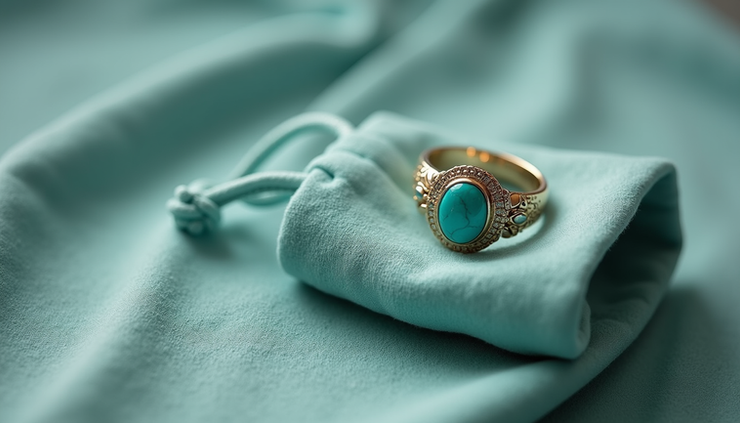
Store it in a soft pouch or cloth
Keep it away from harder stones like diamond or sapphire
5. Avoid Excess Moisture
Although Turquoise forms with water over time, too much moisture in daily use can weaken it.
Avoid wearing it while:
Swimming
Bathing
Doing heavy physical activities
6. Handle with Care
Turquoise is not as hard as other gemstones, so rough handling can cause scratches or cracks.
Always:
Remove it during heavy work
Avoid dropping or hitting it against hard surfaces
7. Energetic Cleansing (Optional)
For those who wear Turquoise for astrological or spiritual reasons, occasional energy cleansing is recommended.
You can:
Keep it under moonlight for a few hours
Place it near incense or in a clean, sacred space
Alternatives to Turquoise Gemstone: What If Firoza Is Out of Budget?
If natural turquoise is too expensive, consider these alternatives:
Alternative Gemstone | Key Benefits | Why It’s a Good Alternative to Firoza | Best For |
Amazonite Stone | Emotional healing, stress relief, calm mind | Similar soothing energy and communication support like Firoza | Anxiety, overthinking, emotional balance |
Aquamarine Stone | Clarity, confidence, better communication | Light blue tone and throat chakra connection like Turquoise | Public speaking, confidence boost |
Lapis Lazuli | Wisdom, protection, mental clarity | Strong spiritual and protective energy, similar to Firoza’s guarding nature | Decision making, spiritual growth |
Blue Howlite | Calmness, anger control, stress relief | Budget substitute with similar appearance (often dyed) | Budget buyers, daily wear |
Chrysocolla Stone | Peace, emotional strength, feminine energy | Close color match and calming vibration like Firoza | Emotional healing, relationships |
Larimar Stone | Relaxation, positivity, inner peace | Ocean-like blue tone and soothing energy | Stress-free lifestyle, calmness |
These alternatives provide a similar look but may not carry the same astrological benefits.
How to Buy a Turquoise Gemstone Without Getting Fooled
Here’s your section rewritten in a detailed, natural, SEO-friendly style—simple language, no robotic tone, and easy for readers to trust:
1. Check for Authenticity
Natural Turquoise (Firoza) rarely looks “perfect.” In fact, slight imperfections are a good sign.
Genuine stones usually have:
Uneven color tones
Natural veins or patterns (called matrix)
Slight variations across the surface
If a stone looks too smooth, too clean, or artificially perfect, there’s a high chance it has been treated or is completely fake. Real stones carry a natural character—you can actually “see” that they are formed over time.
2. Ask for Certification
This is one step you should never skip.
A genuine seller will always provide a lab certification that confirms:
The stone is natural
It has not been heavily treated
Its origin and quality
Without certification, you’re basically relying only on trust—and in today’s gemstone market, that’s risky. Certification gives you confidence that you’re investing in something real and valuable.
3. Avoid Too Bright or Uniform Colors
Turquoise is known for its blue to green shades, but natural stones don’t usually have a perfectly even color.
Be careful if you notice:
Very bright, artificial-looking blue
Completely uniform color with no variation
A plastic-like shine
These are common signs of dyed or stabilized stones. While they may look attractive at first, they don’t carry the same value or authenticity as natural Turquoise.
4. Test the Hardness
Turquoise is a relatively soft gemstone compared to many others. That means it’s not extremely hard or scratch-resistant.
Fake stones, especially those made from glass or synthetic materials, may feel:
Too hard
Too smooth
Unnaturally polished
While you shouldn’t try aggressive testing, a basic understanding of its softness helps you identify when something feels “off.”
5. Buy from Trusted Jewelers
This is honestly the most important point.
Instead of chasing the lowest price, focus on:
Sellers with good reviews
Established gemstone brands
Proper return or exchange policies
Transparency about stone quality
A trusted jeweler will not just sell you a gemstone—they’ll guide you properly, answer your questions, and ensure you get exactly what you’re paying for.
Frequently Asked Questions About Turquoise Gemstone (Firoza)
1. Is Turquoise suitable for everyone?
Turquoise is generally considered a safe and balanced gemstone, but it works best for individuals with a weak Jupiter in their horoscope. It helps bring stability, clarity, and protection. However, for accurate results, it is always advisable to consult an astrologer before wearing it.
2. Can I wear Turquoise in silver?
Yes, Turquoise can be worn in silver, which is actually quite common and effective. While gold is traditionally associated with Jupiter gemstones, silver enhances the calming and protective energy of Firoza. The choice of metal can also depend on personal preference and astrological advice.
3. How often should I clean my Turquoise?
Turquoise should be cleaned gently every few weeks to maintain its natural shine and energy. Use a soft cloth and avoid harsh chemicals or ultrasonic cleaners. Regular cleaning also helps keep the stone energetically refreshed and visually appealing.
4. Can Turquoise protect from the evil eye?
Turquoise is widely believed to act as a protective stone against negative energies and the evil eye. Many cultures consider it a shield that absorbs harmful vibrations. It is often worn for emotional security and spiritual protection.
5. Is treated Turquoise less effective?
Yes, treated or dyed Turquoise may not provide the same benefits as natural stones. In astrology, untreated and certified gemstones are always preferred for better results. Treated stones are mainly used for decorative purposes rather than energetic or spiritual benefits.
6. What is the best time to wear Turquoise?
The ideal time to wear Turquoise is on a Thursday morning, which is associated with Jupiter energy. Wearing it during the waxing moon phase is also considered beneficial. Following proper timing can help enhance its positive effects.
7. Can men and women both wear Turquoise?
Yes, Turquoise is suitable for both men and women. Its energy is balanced and not gender-specific, making it a versatile gemstone. It can be worn in rings, pendants, or bracelets based on personal style and comfort.
8. How to know if my Turquoise is real?
A real Turquoise stone usually has natural matrix patterns and slight color variations. It does not appear overly shiny or perfectly uniform. For complete assurance, always ask for a lab certification before purchasing.
9. Can I wear Turquoise with other gemstones?
Yes, Turquoise can be worn with other gemstones, but compatibility is important. Some combinations may enhance benefits, while others may not suit your energy. It is best to consult an astrologer before pairing it with other stones.
The Final Word: What Firoza Is Really About
Turquoise (Firoza) is far more than just a visually appealing gemstone. Beneath its calming blue-green surface lies a deep connection to Jupiter’s energy, symbolizing wisdom, protection, clarity, and steady growth. Unlike stones that feel intense or overwhelming, Firoza works in a subtle and balanced way—supporting the wearer quietly, yet consistently.
What makes Firoza truly special is the combination of its natural origin, cultural significance, and astrological value. From ancient civilizations to modern-day gemstone lovers, it has always been seen as a stone of guidance—helping people make better decisions, stay emotionally balanced, and protect themselves from negative influences.
Understanding its story, formation, benefits, and proper wearing method allows you to experience its full potential. Whether you wear it for spiritual growth, mental peace, protection, or even as an elegant piece of jewelry, the impact of Turquoise goes beyond appearance.
In the end, Firoza is not about instant transformation—it’s about steady support, inner balance, and quiet strength. That’s what makes it a timeless gemstone, worth not just wearing, but truly understanding.
Jeevan Ratna is a certified gemstone brand based in Jaipur — India's gemstone capital and the world's premier hub for natural coloured stones. Every gemstone is natural, certified, and sourced with full transparency. For a personalised recommendation based on your birth chart, start a conversation with Gemmie on WhatsApp — or explore the complete certified collection at jeevanratna.com.


Comments